On 12 August 2026, the sky will put on one of the most spectacular astronomical displays of recent decades. An exceptional solar eclipse will be visible from Belgium, offering a rare opportunity that is well worth planning ahead for.
It will be the most significant solar eclipse visible from Belgium since 11 August 1999. Over the course of nearly two hours, the Moon will gradually move across the Sun, covering almost 90% of its surface at maximum eclipse. It is a fascinating celestial event that everyone can enjoy, provided a few essential safety precautions are followed.
What is a solar eclipse?
A solar eclipse occurs when the Moon passes directly between the Earth and the Sun. As a result, the Moon casts its shadow onto part of the Earth's surface, partially or completely obscuring the Sun depending on the observer's location.
There are three main types of solar eclipse:
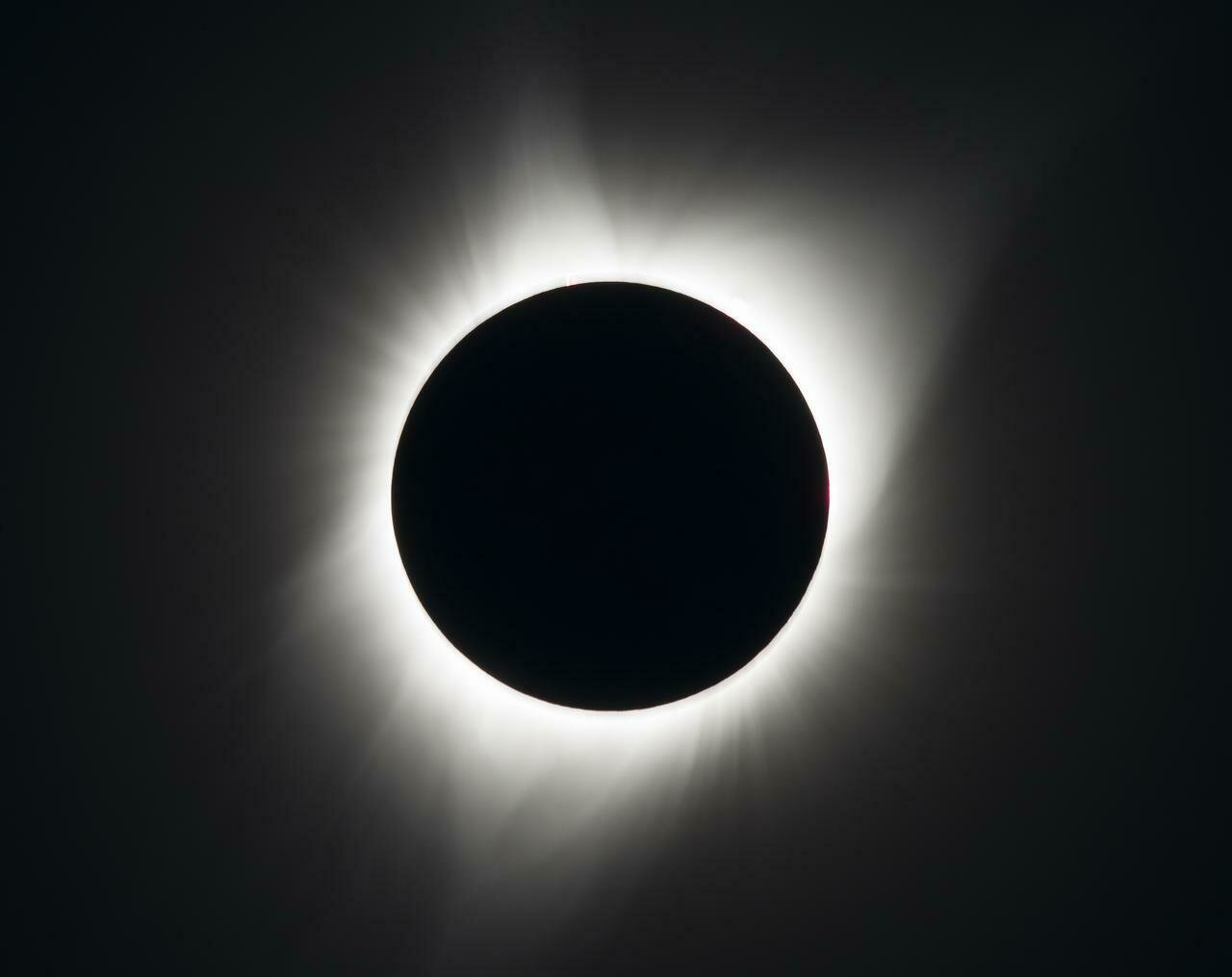
Total solar eclipse
A total solar eclipse occurs when the Moon completely covers the Sun. For a few extraordinary minutes, daylight fades into an eerie twilight, and only the solar corona—the Sun's outer atmosphere—remains visible.
It is widely regarded as one of the most breathtaking natural phenomena on Earth.
Did you know?
During a total solar eclipse, the air temperature can drop by 3 to 5°C in just a few minutes. Birds may stop singing, some nocturnal insects begin to stir, and certain flowers close their petals, as though night had suddenly fallen in the middle of the afternoon.
Partial Solar Eclipse
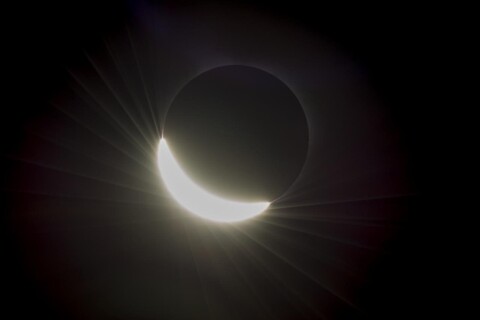
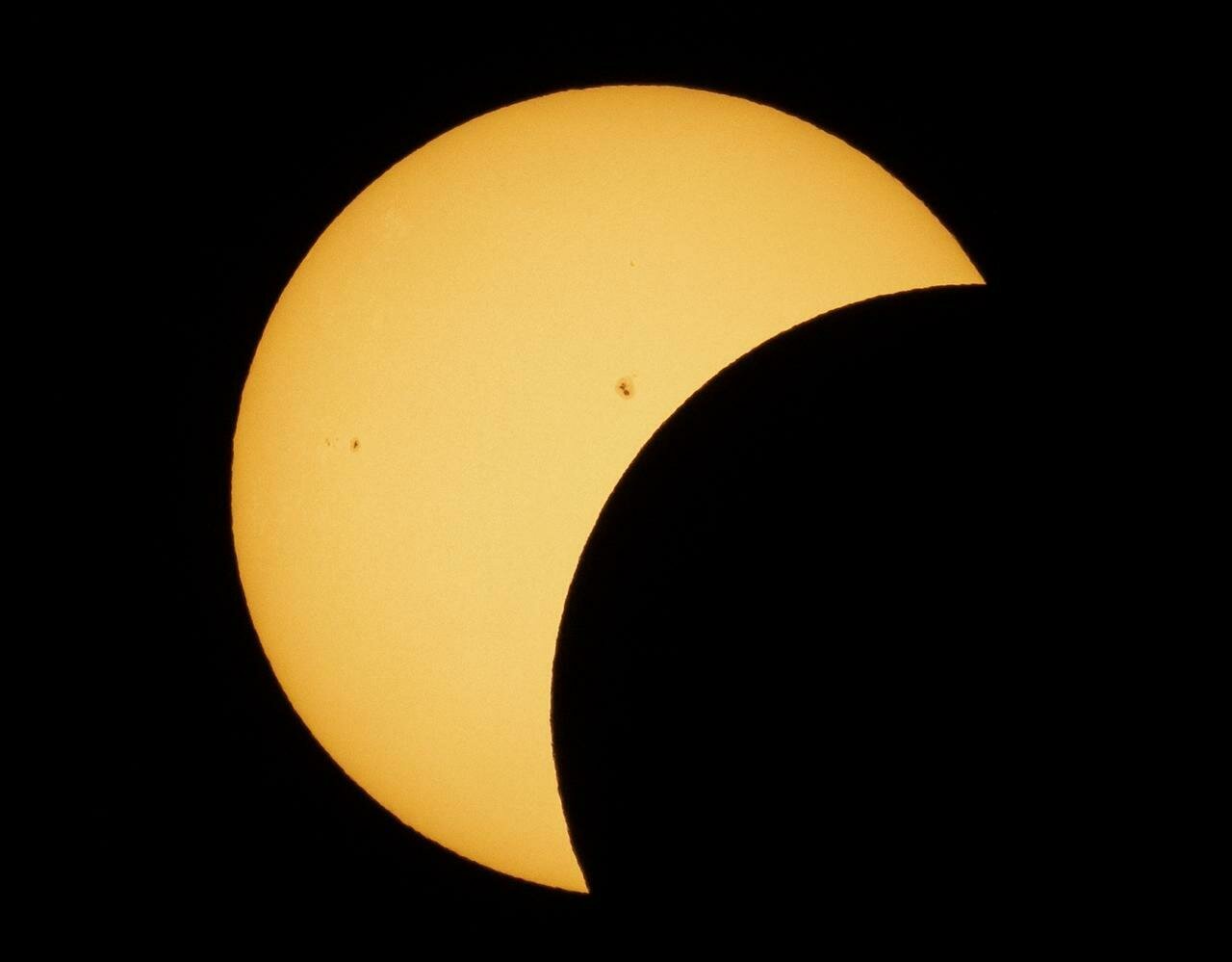
During a partial solar eclipse, the Moon covers only part of the Sun. This is the type of eclipse that will be visible from Belgium on 12 August 2026.
Although almost 90% of the Sun will be obscured at maximum eclipse, part of the solar disc will remain visible throughout the event. For this reason, it is essential to wear appropriate solar viewing protection at all times while observing the eclipse.
Annular Solar Eclipse
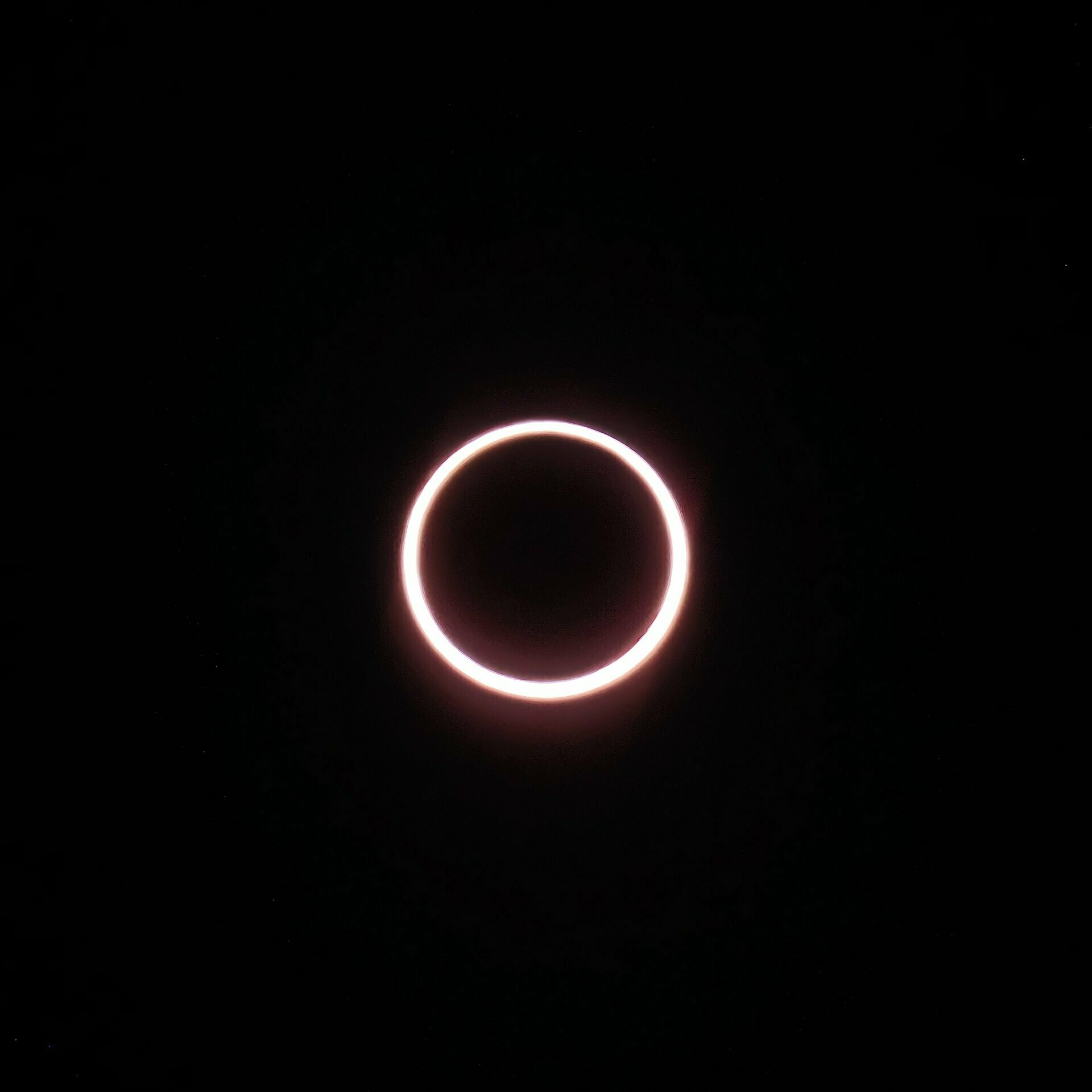
An annular solar eclipse occurs when the Moon is slightly farther away from the Earth and therefore appears slightly smaller than the Sun. As a result, it cannot completely cover the Sun, leaving a spectacular ring of sunlight visible around the Moon—often referred to as the "Ring of Fire."
Did you know?
A solar eclipse occurs somewhere on Earth approximately every 18 months. However, witnessing a total solar eclipse from the same location is far rarer, often requiring a wait of several decades—or even centuries.
What Will Be Visible from Belgium on 12 August 2026?
From Belgium, the eclipse will be partial, but nonetheless spectacular.
At its maximum, 89.6% of the Sun's disc will be covered by the Moon, making it the most significant solar eclipse visible from Belgium since 11 August 1999.
The eclipse will last approximately 1 hour and 46 minutes.
Eclipse Timings
| Time | Event |
|---|---|
| 6:26 am | Sunrise |
| 7:19 pm | Eclipse begins |
| 8:13 pm | Maximum eclipse |
| 9:03 pm | Sunset |
| 9:05 pm | Eclipse ends |
The maximum eclipse will occur while the Sun is very low on the horizon.
For the best viewing experience, choose a location with an unobstructed view towards the west or north-west. Coastal areas and the western part of Belgium are generally expected to offer the most favourable observing conditions.
Did you know?
Even with almost 90% of the Sun obscured, the sky will not become completely dark in Belgium. The spectacular solar corona is only visible from locations within the path of totality.
Where Will the Total Solar Eclipse Be Visible?
While Belgium will experience an exceptional partial eclipse, several parts of Europe will witness a total solar eclipse.
The path of totality will cross:
-
North-East Greenland
-
Iceland, where Reykjavík will experience its first total solar eclipse since 1954
-
Portugal
-
Northern Spain
-
The island of Mallorca
The Moon's shadow will race across the Earth's surface at speeds of more than 3,400 km/h.
How to Observe a Solar Eclipse Safely
Looking directly at the Sun—even when it is almost completely covered—can cause permanent retinal damage.
Fortunately, there are several safe ways to observe the eclipse.
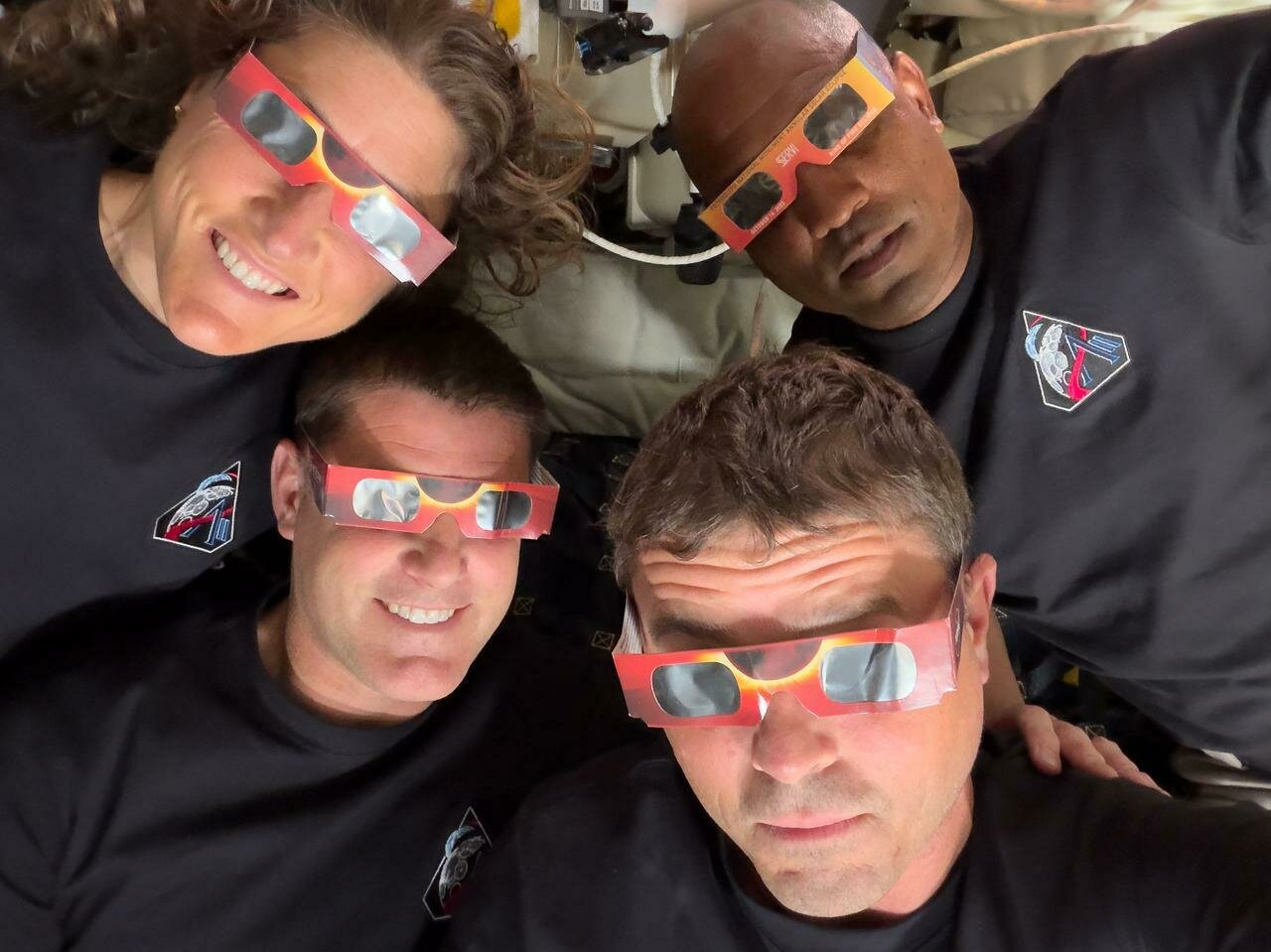
Use Certified Eclipse Glasses
Only eclipse glasses that comply with the ISO 12312-2 international safety standard provide adequate protection.
Ordinary sunglasses, no matter how dark, do not protect your eyes from the Sun's harmful radiation and should never be used to observe a solar eclipse.
Build a Pinhole Projector
It is also possible to observe a solar eclipse without looking directly at the Sun by using a pinhole projector.
This very simple device projects an image of the Sun onto a surface, allowing you to gradually follow the Moon as it passes in front of the Sun without exposing your eyes to the Sun's rays.
Don't have eclipse glasses? Find out how to make your own pinhole projector and observe the solar eclipse safely.
Observe the Shadows
During a solar eclipse, the tiny gaps between the leaves of trees naturally act as thousands of miniature pinhole projectors.
The shadows cast on the ground become filled with dozens of tiny crescent-shaped images, perfectly mirroring the shape of the partially eclipsed Sun.
Did you know?
These remarkable crescents are not created by the leaves themselves. Instead, they are formed by the tiny spaces between the leaves, each acting like a miniature camera obscura.
Our Tips for Enjoying the Eclipse
Many people assume they only need to step outside a few minutes before the maximum eclipse.
In reality, the spectacle begins much earlier.
Take the time to watch the Moon gradually move across the face of the Sun. Seeing the solar disc slowly transform into a crescent is often just as captivating as the moment of maximum eclipse itself.
Stay outside after the maximum as well. As the eclipse progresses, the quality of the light changes, colours become subtly different, and the atmosphere takes on a truly unique character.
If you have access to a garden, balcony, or any location with a clear view towards the west, you'll be able to enjoy the entire event from the comfort of your own home.
After the Eclipse… Keep Looking Up
A solar eclipse is often the beginning of a lifelong fascination with astronomy. After witnessing this extraordinary event, why not continue exploring the night sky?
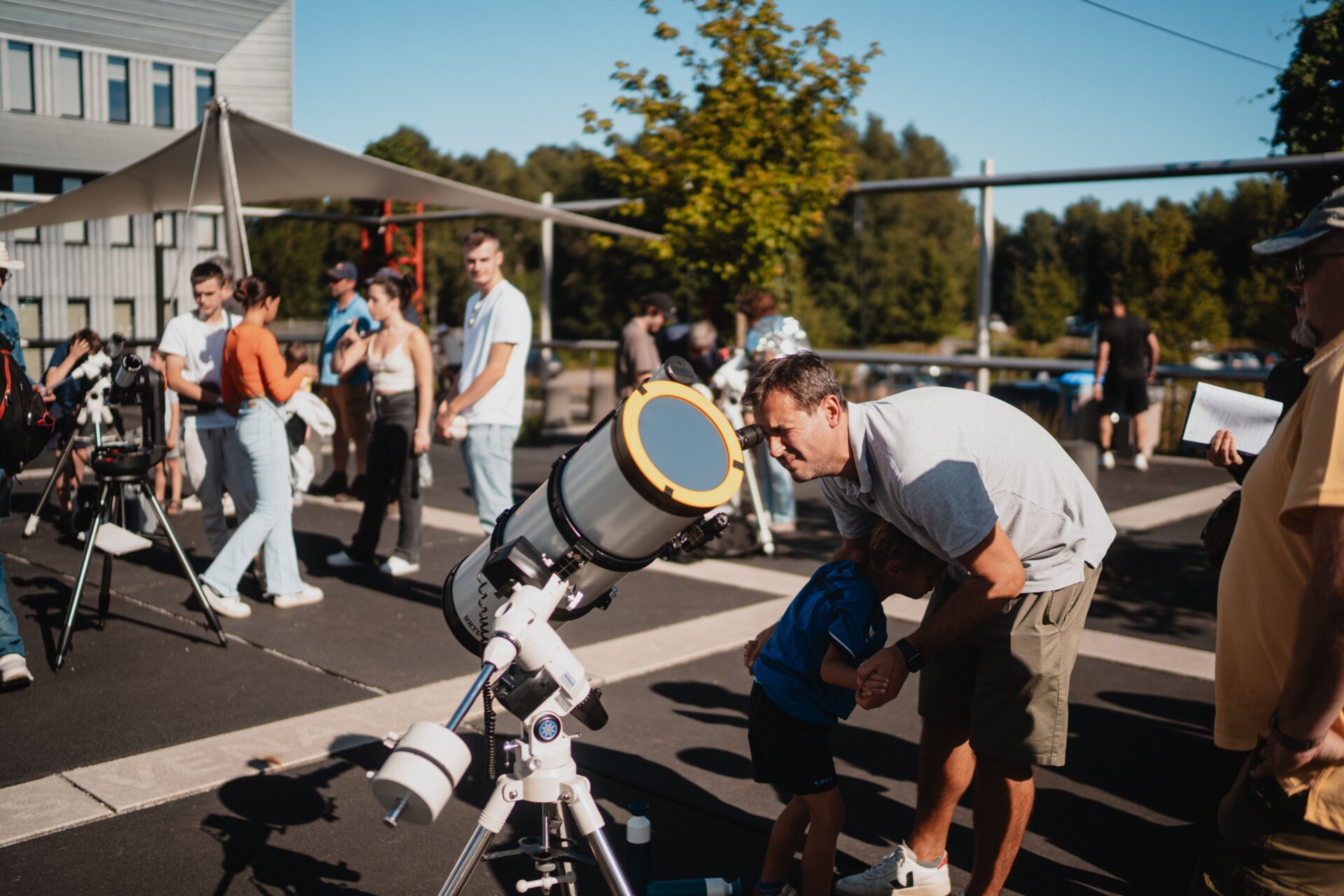
The very next day, Thursday 13 August, the Euro Space Center will host the Night of the Stars, a free public event dedicated to sky observation. Together with local astronomy clubs and their telescopes, you'll have the opportunity to observe the Perseid meteor shower, identify constellations, admire the visible planets, and discover the wonders of the summer night sky.
If you'd like to learn more about this event and discover why looking up at the night sky continues to inspire people of all ages, be sure to read our article dedicated to the Night of the Stars.
After all, sometimes all it takes is a single glance at the sky to begin a journey spanning billions of kilometres.