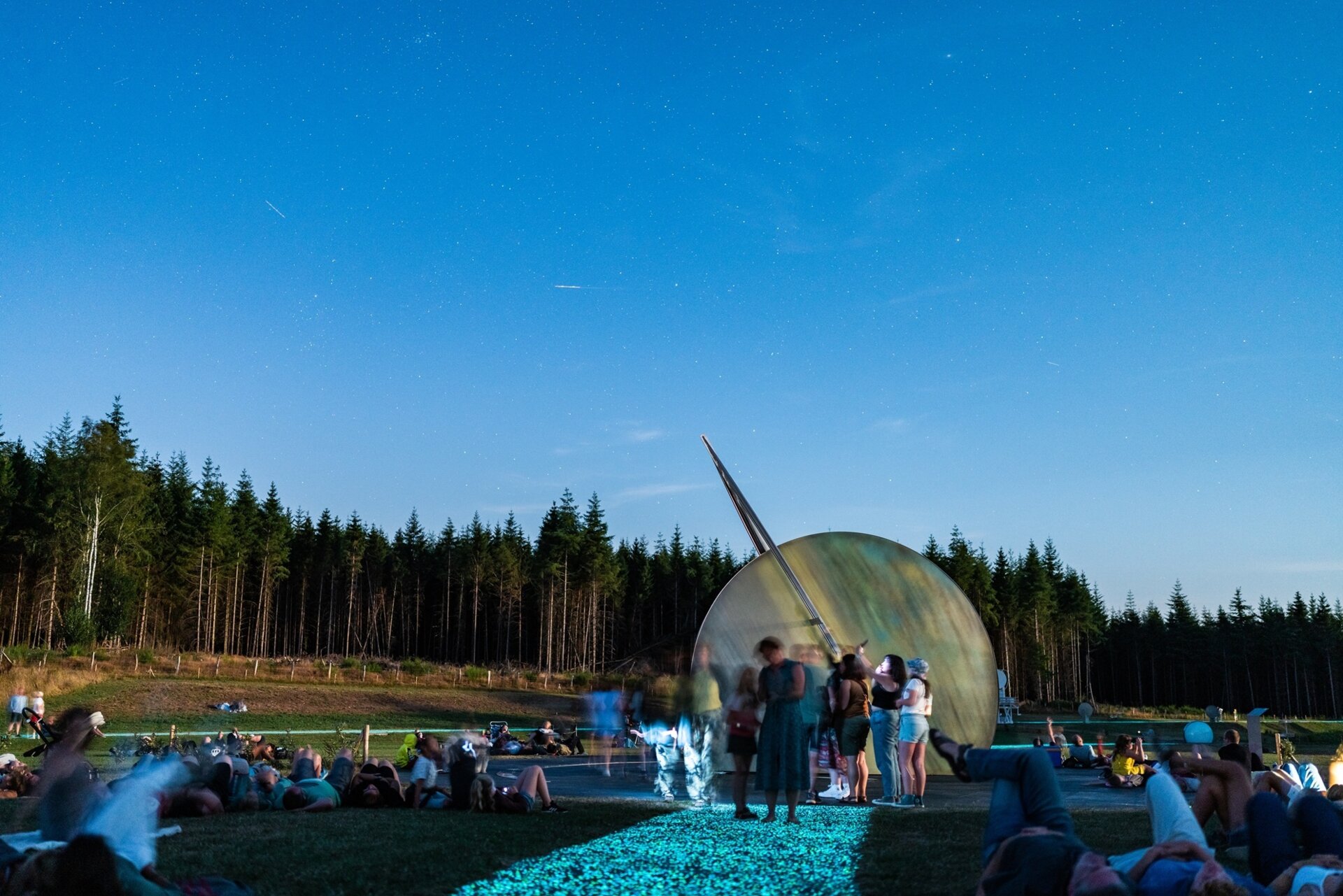
Every summer, an extraordinary spectacle unfolds above our heads. As darkness falls, dozens of shooting stars streak across the sky, constellations come into view, and the Milky Way becomes visible once again, far from light pollution. It is a special moment that reminds us just how fascinating the Universe truly is.
Watching the night sky doesn't require a degree in astronomy or sophisticated equipment. All you need to do is look up. That is the very spirit of the Night of the Stars: giving everyone, whether with family or friends, the opportunity to discover the wonders of the night sky and gain a better understanding of the Universe around us.

The Perseids: the most spectacular astronomical event of the summer
The Night of the Stars takes place in August for a reason. At this time of year, the Earth passes through the trail of dust left behind by Comet Swift-Tuttle.
These tiny particles, sometimes no larger than a grain of sand, enter Earth's atmosphere at nearly 60 kilometres per second. As they travel through the upper atmosphere, they heat the surrounding air, creating the bright streaks of light we know as shooting stars.
Every year, around 12 August, the Perseid meteor shower reaches its peak. Under a clear, dark sky, it is possible to observe dozens of meteors every hour.
What can you observe during the Night of the Stars?
Contrary to popular belief, a stargazing evening is about much more than shooting stars.
Depending on the observing conditions, you may be able to admire:
- iconic summer constellations such as Cygnus, Lyra and Aquila;
- the Milky Way, visible as a vast luminous band stretching across the sky;
- planets such as Saturn, Jupiter and Mars, depending on their position;
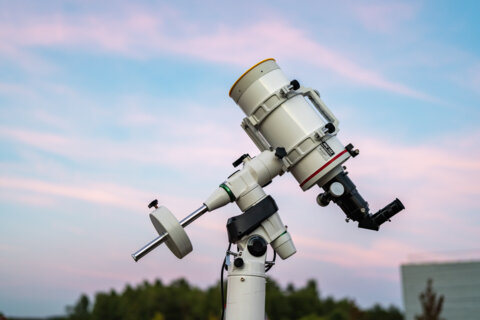
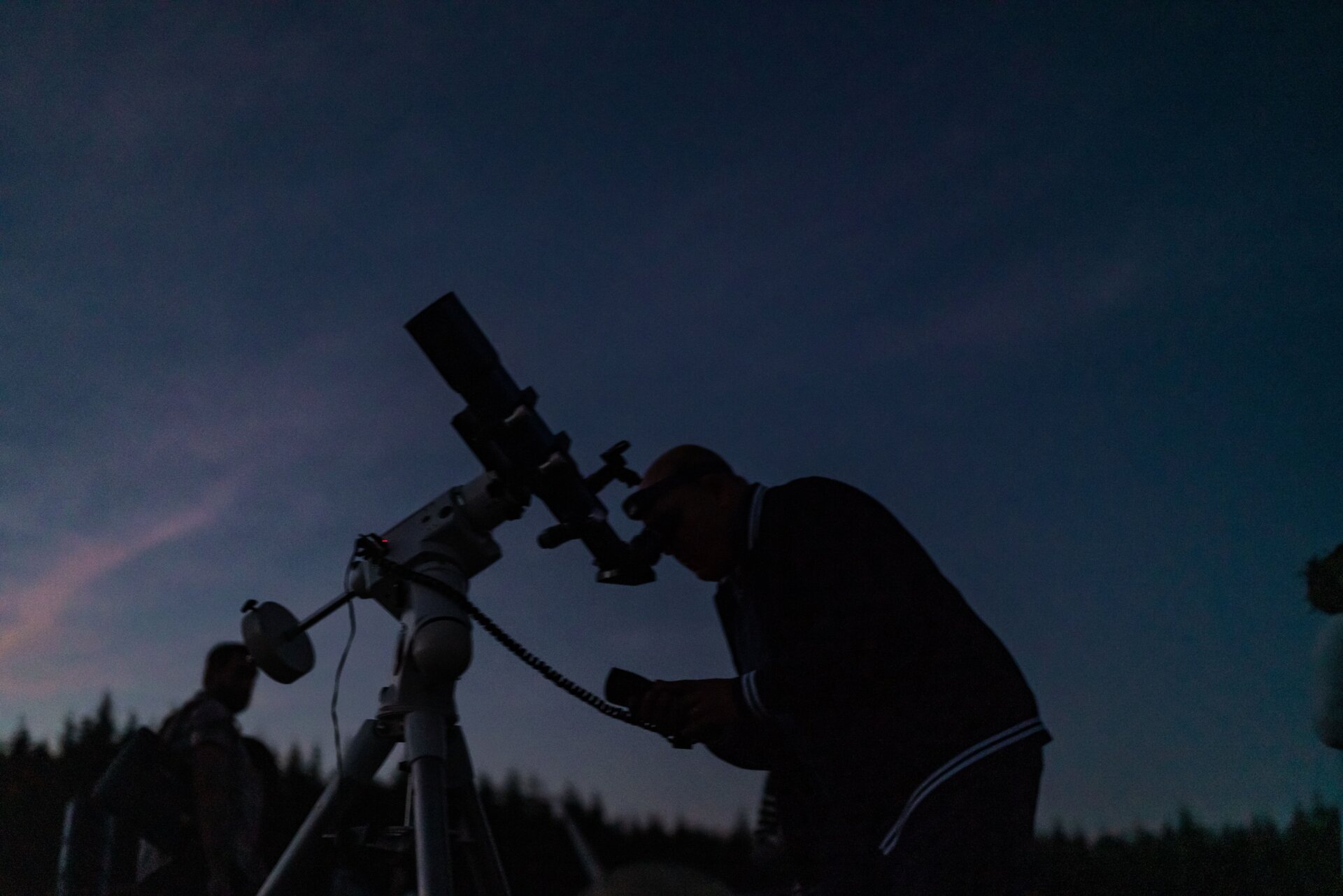
- star clusters, nebulae and galaxies through telescopes.
Each observation offers a fascinating introduction to astronomy and space science.
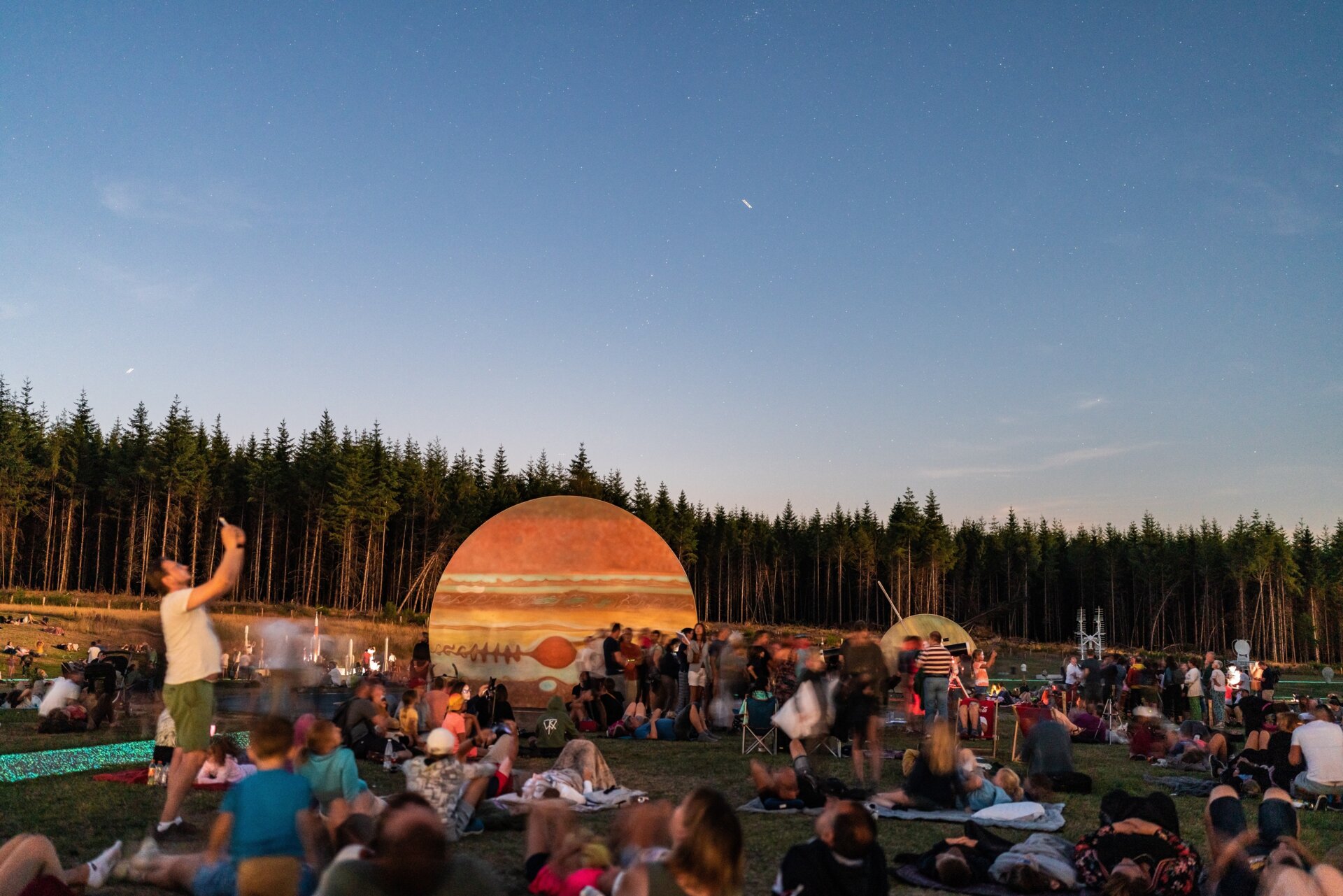
A family activity that makes you look up… and sparks questions
Why do stars shine? Why do we always see the same side of the Moon? Are we alone in the Universe?
The Night of the Stars often becomes the starting point for many conversations between parents, grandparents and children. Observing the sky together is a simple shared moment that also awakens scientific curiosity.
Away from screens, everyone takes the time to contemplate a spectacle that has fascinated humanity for thousands of years. Ancient civilisations used the stars to find their way; today, they continue to inspire dreams and fuel our desire to explore space.
This curiosity about the sky is stronger than ever. The solar eclipse visible in Europe this year reminded us how much major astronomical events continue to fascinate both children and adults. Many people used the opportunity to observe the sky for the first time or to take a greater interest in astronomy. To understand how a solar eclipse occurs and why this event is so exceptional, discover our dedicated article.
The Night of the Stars at the Euro Space Center
The best part? Stargazing is completely free during the Night of the Stars, organised every year at the Euro Space Center in Transinne, in the heart of the Belgian province of Luxembourg.
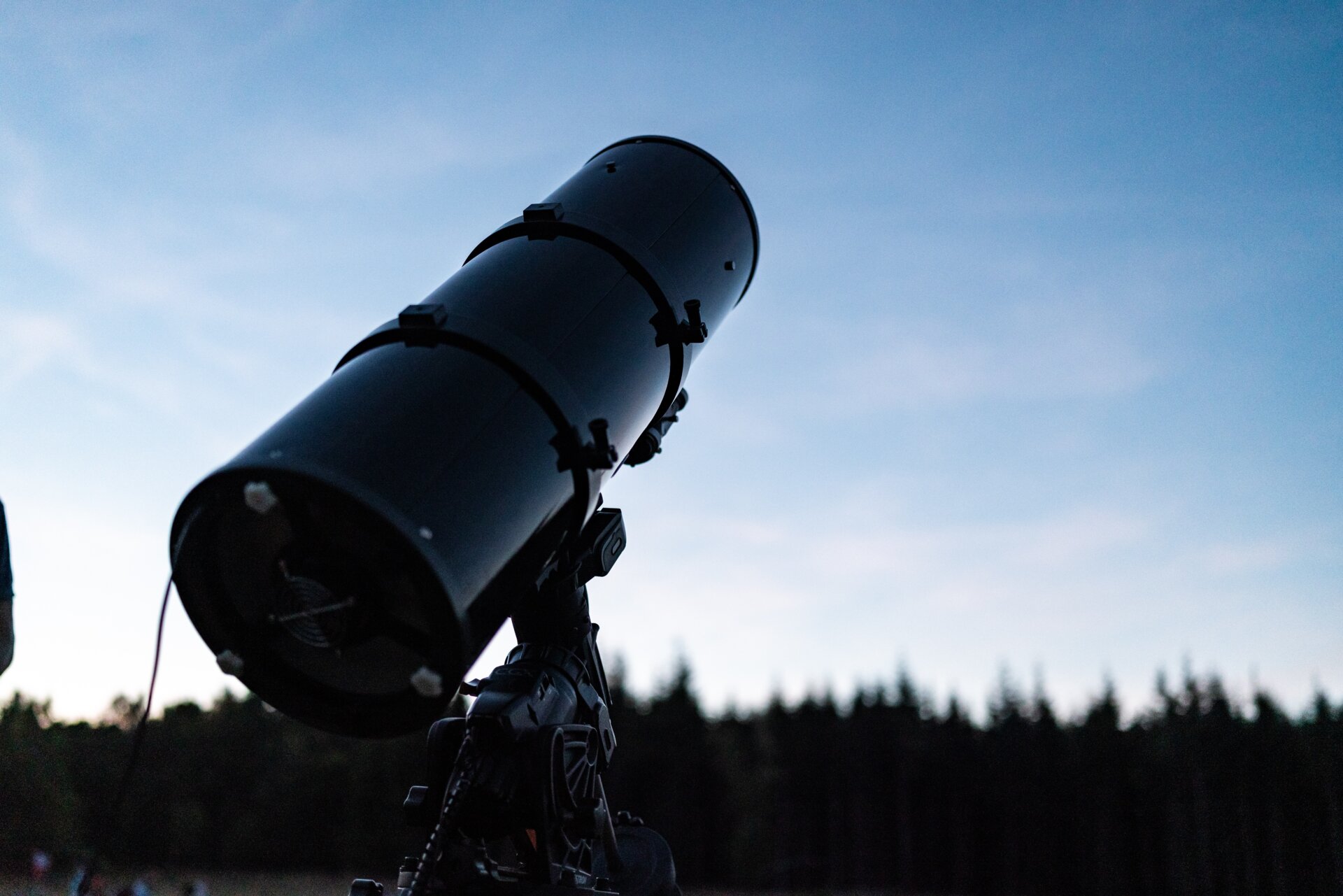
On 13 August, visitors of all ages are invited to observe the night sky alongside astronomy clubs and passionate amateur astronomers equipped with telescopes. It is a unique opportunity to admire the wonders of the night sky, exchange knowledge with astronomy enthusiasts and discover celestial objects that are often invisible to the naked eye.
Beyond stargazing, the evening also features a variety of science activities, allowing you to continue exploring the Universe in a warm and family-friendly atmosphere.
After all, the greatest attraction of the evening is right above our heads. All you have to do is look up.